
Most sports fans cheer for teams. The sharpest Pick'em players cheer for players. Here's the 5-minute Tuesday habit — and the cheat sheet that translates player news into picks.
Most casual sports fans follow teams. They cheer for the Cowboys, the Yankees, Manchester United. They pick based on who's hot, who's at home, who they like.
The sharpest Pick'em players follow players. They know who's getting traded, who's hurt, who's in a contract year, who's the backup at every important position. They translate those individual signals into picks before the market has finished pricing them.
Here's how.
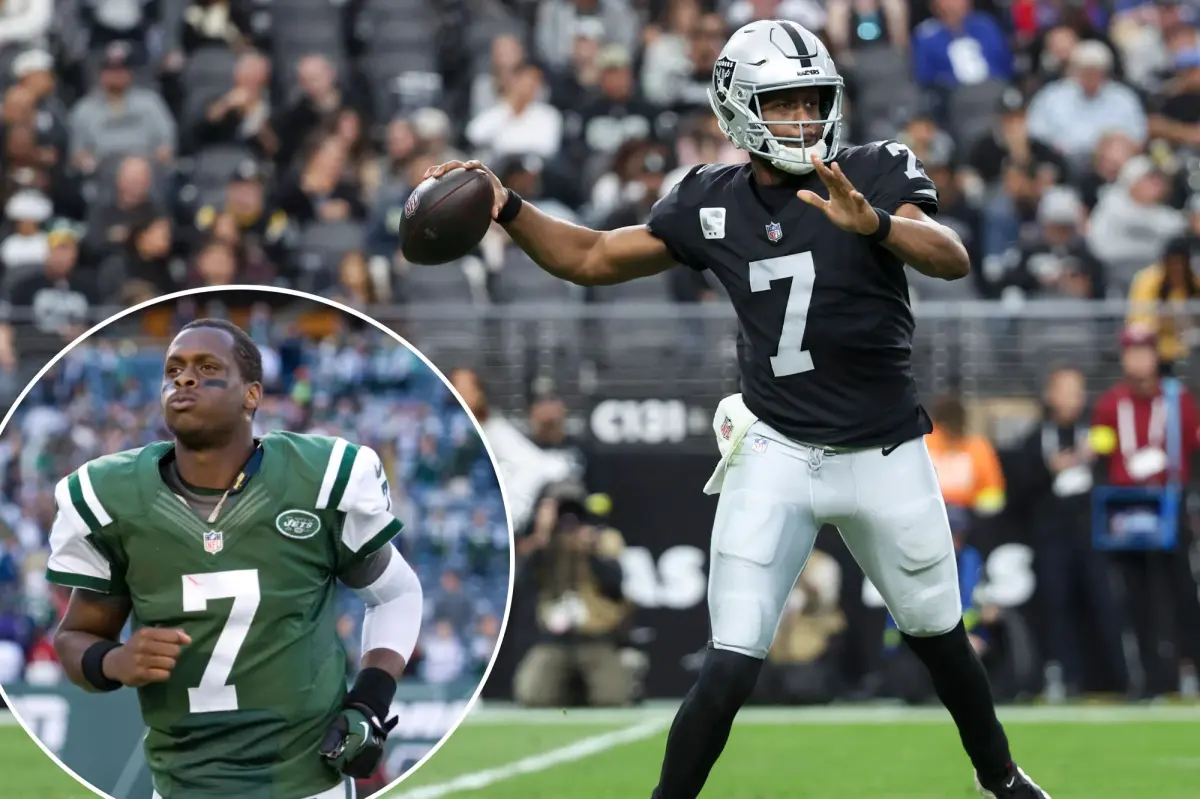
Football has 22 starters per team, but the quarterback drives more variance than the other 21 combined. Every 2026 offseason QB move — Geno Smith to the Jets, Kirk Cousins reportedly to the Raiders, Malik Willis taking over in Miami, Tagovailoa's post-June 1 question, Carolina's situation, Atlanta's open competition under Kevin Stefanski — changes how that team should be priced for at least the first quarter of the season.
The casual market is slow to update on QB changes. The sharp market isn't. The gap between the two is where points come from.
A dominant edge defender does two things at once: forces opposing offenses out of their preferred scripts, and tilts close games via a single sack at the wrong moment. Maxx Crosby's situation in Las Vegas, the Vikings dealing Jonathan Greenard during the draft, Aidan Hutchinson's recovery — every one of these moves a defensive ceiling. Defensive ceilings move spreads more than people realize.
The casual market overweights "star RB" status. Most modern offenses are more about scheme and offensive line than the back behind them. But specific spots — short yardage, goal line, cold-weather games — still hinge on RB quality. The Cowboys' Javontae Williams extension, the 49ers' Kaelon Black pick, the Chiefs' Emmett Johnson — these matter most in totals and props, less in spreads.
A true No. 1 corner removes one side of the field for opposing offenses. The Marlon Humphrey trade speculation in Baltimore, the Detroit secondary rebuild, every team-by-team CB depth-chart story — these matter most in spread and totals pricing for matchups against pass-heavy offenses. Niche, but powerful.
When a top receiver moves teams or gets injured, the quarterback's numbers change more than the team's win total. WR movement is mostly a totals story and a player-prop story, not a spread story. Pricing it the right way is a trick most casuals never figure out.
Five minutes a week. Three questions. That's the entire habit.
Every Tuesday during the season, write down:
That's it. Five minutes. Week after week. The compounding gap between players who do this and players who don't is what shows up at the top of the leaderboard.
The scoring engine rewards correct picks at the right price. Player-level information is the single biggest source of pricing inefficiency. Following players, not just teams, is the most reliable way to find it.
Start a season-long arena and put the framework to work →
Sources
No purchase necessary. Void where prohibited. State restrictions apply.
Most casual sports fans follow teams. They cheer for the Cowboys, the Yankees, Manchester United. They pick based on who's hot, who's at home, who they like.
The sharpest Pick'em players follow players. They know who's getting traded, who's hurt, who's in a contract year, who's the backup at every important position. They translate those individual signals into picks before the market has finished pricing them.
Here's how.
Football has 22 starters per team, but the quarterback drives more variance than the other 21 combined. Every 2026 offseason QB move — Geno Smith to the Jets, Kirk Cousins reportedly to the Raiders, Malik Willis taking over in Miami, Tagovailoa's post-June 1 question, Carolina's situation, Atlanta's open competition under Kevin Stefanski — changes how that team should be priced for at least the first quarter of the season.
The casual market is slow to update on QB changes. The sharp market isn't. The gap between the two is where points come from.
A dominant edge defender does two things at once: forces opposing offenses out of their preferred scripts, and tilts close games via a single sack at the wrong moment. Maxx Crosby's situation in Las Vegas, the Vikings dealing Jonathan Greenard during the draft, Aidan Hutchinson's recovery — every one of these moves a defensive ceiling. Defensive ceilings move spreads more than people realize.
The casual market overweights "star RB" status. Most modern offenses are more about scheme and offensive line than the back behind them. But specific spots — short yardage, goal line, cold-weather games — still hinge on RB quality. The Cowboys' Javontae Williams extension, the 49ers' Kaelon Black pick, the Chiefs' Emmett Johnson — these matter most in totals and props, less in spreads.
A true No. 1 corner removes one side of the field for opposing offenses. The Marlon Humphrey trade speculation in Baltimore, the Detroit secondary rebuild, every team-by-team CB depth-chart story — these matter most in spread and totals pricing for matchups against pass-heavy offenses. Niche, but powerful.
When a top receiver moves teams or gets injured, the quarterback's numbers change more than the team's win total. WR movement is mostly a totals story and a player-prop story, not a spread story. Pricing it the right way is a trick most casuals never figure out.
Five minutes a week. Three questions. That's the entire habit.
Every Tuesday during the season, write down:
That's it. Five minutes. Week after week. The compounding gap between players who do this and players who don't is what shows up at the top of the leaderboard.
The scoring engine rewards correct picks at the right price. Player-level information is the single biggest source of pricing inefficiency. Following players, not just teams, is the most reliable way to find it.
Start a season-long arena and put the framework to work →
Sources
No purchase necessary. Void where prohibited. State restrictions apply.