
Between the draft and training camp, the NFL goes quiet — and that's exactly when Week 1 odds start getting decided. OTAs, the schedule release, and June 1 cap moves are the offseason most fans miss.
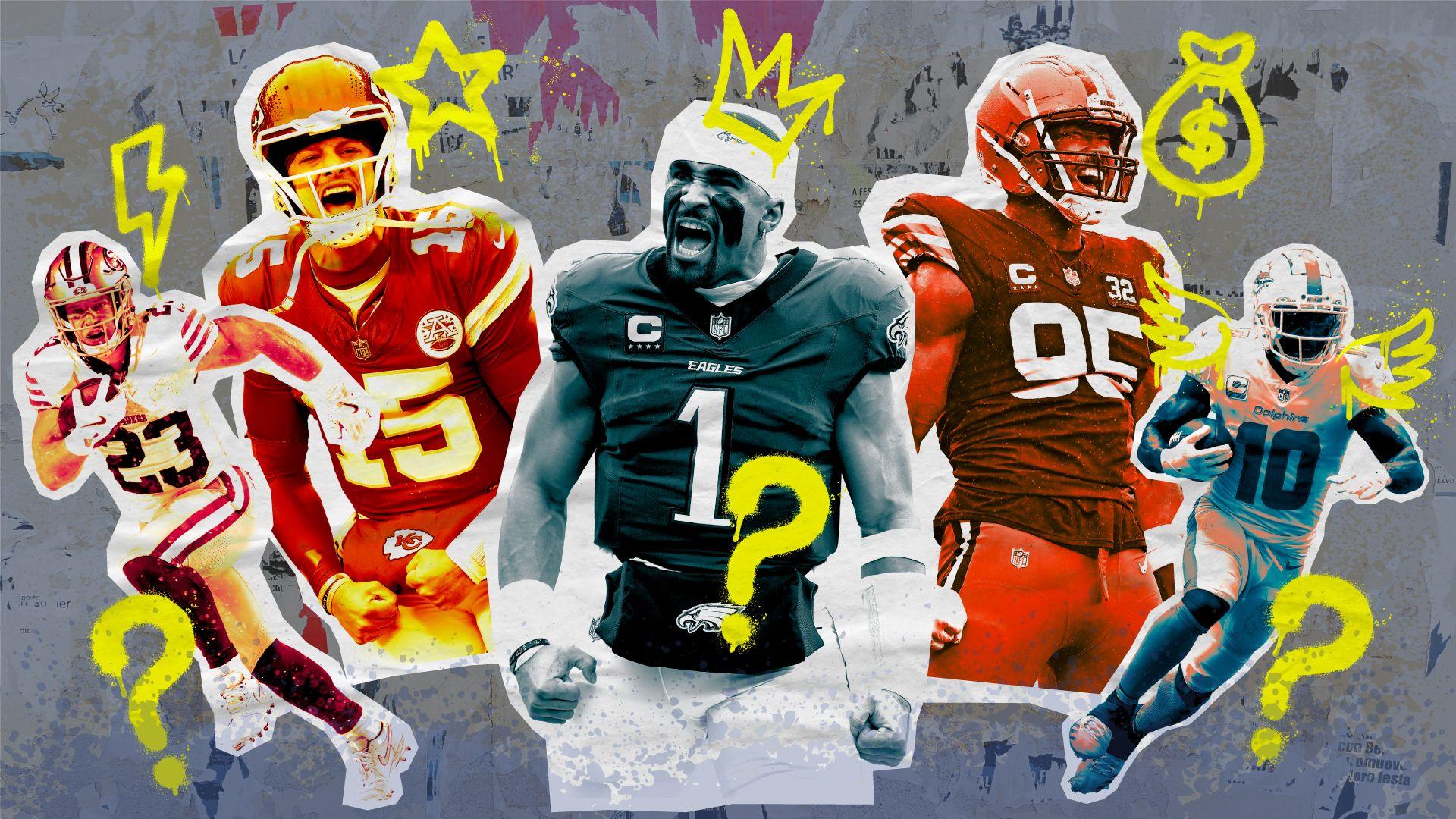
April was loud. May is loud-quiet. From the outside, the NFL between the draft and training camp looks like nothing's happening. Inside, it's the most concentrated four-week stretch of roster movement, schedule chaos, and quiet news that will reshape how every Week 1 game gets priced.
Here's what's actually happening between now and June 1 — and why it matters more than the casual fan would guess.
Phase Three of the offseason program — the OTA portion — is happening right now for most teams. Non-contact, but real reps. Real chemistry. New coordinators installing schemes, rookies lining up next to vets, depth-chart battles forming the storylines beat writers will be selling all summer.
Most clubs run their OTAs across late May and early June, with mandatory minicamp clustered June 8–18. By the time training camp opens in late July, every team has already lived through a half-season's worth of internal evaluation.
The 2026 schedule release special hasn't been officially dated, but the pattern points to mid-May. We already know one wrinkle: the defending champion Seahawks open the season Wednesday, September 9, to make space for the 49ers–Rams game in Melbourne, Australia on Thursday, September 10.
International games, primetime slots, Thanksgiving — they all drop together. The moment they do, season-long Pick'em players start mapping their toughest weeks.
June 1 is when teams can release or trade players with a "post-June 1 designation," which lets them spread cap hits across two seasons. That accounting unlock creates the second wave of veteran movement every offseason. Names already being whispered: Tua Tagovailoa, A.J. Brown.
June 1 is also the deadline for franchise-tagged players to sign multi-year deals. After that, they're locked into a one-year contract — which has its own implications for the next offseason.
Every roster move between now and Week 1 is a future pricing shift. A starting QB change can swing a moneyline by the equivalent of three to six points. A receiver trade can move a totals line by half a point. Sharp Pick'em players don't wait until September — they use May and June to build a mental model of every team that's actually different from last year.
Most casual players show up in September picking based on last year's roster. The advantage in a season-long arena is built in the months nobody's paying attention.
When the schedule drops, BenchBrawl's NFL season-long arenas open. The earlier you start tracking moves, the easier the odds will read in Week 1. Picks against real Vegas-style lines get harder when you don't know the team — and easier when you've been watching all summer.
---
Sources
No purchase necessary. Void where prohibited. State restrictions apply.
April was loud. May is loud-quiet. From the outside, the NFL between the draft and training camp looks like nothing's happening. Inside, it's the most concentrated four-week stretch of roster movement, schedule chaos, and quiet news that will reshape how every Week 1 game gets priced.
Here's what's actually happening between now and June 1 — and why it matters more than the casual fan would guess.
Phase Three of the offseason program — the OTA portion — is happening right now for most teams. Non-contact, but real reps. Real chemistry. New coordinators installing schemes, rookies lining up next to vets, depth-chart battles forming the storylines beat writers will be selling all summer.
Most clubs run their OTAs across late May and early June, with mandatory minicamp clustered June 8–18. By the time training camp opens in late July, every team has already lived through a half-season's worth of internal evaluation.
The 2026 schedule release special hasn't been officially dated, but the pattern points to mid-May. We already know one wrinkle: the defending champion Seahawks open the season Wednesday, September 9, to make space for the 49ers–Rams game in Melbourne, Australia on Thursday, September 10.
International games, primetime slots, Thanksgiving — they all drop together. The moment they do, season-long Pick'em players start mapping their toughest weeks.
June 1 is when teams can release or trade players with a "post-June 1 designation," which lets them spread cap hits across two seasons. That accounting unlock creates the second wave of veteran movement every offseason. Names already being whispered: Tua Tagovailoa, A.J. Brown.
June 1 is also the deadline for franchise-tagged players to sign multi-year deals. After that, they're locked into a one-year contract — which has its own implications for the next offseason.
Every roster move between now and Week 1 is a future pricing shift. A starting QB change can swing a moneyline by the equivalent of three to six points. A receiver trade can move a totals line by half a point. Sharp Pick'em players don't wait until September — they use May and June to build a mental model of every team that's actually different from last year.
Most casual players show up in September picking based on last year's roster. The advantage in a season-long arena is built in the months nobody's paying attention.
When the schedule drops, BenchBrawl's NFL season-long arenas open. The earlier you start tracking moves, the easier the odds will read in Week 1. Picks against real Vegas-style lines get harder when you don't know the team — and easier when you've been watching all summer.
---
Sources
No purchase necessary. Void where prohibited. State restrictions apply.