
April was full of small-sample noise. May is when the 2026 MLB season gets real — and five storylines are already shaping the rest of the year.
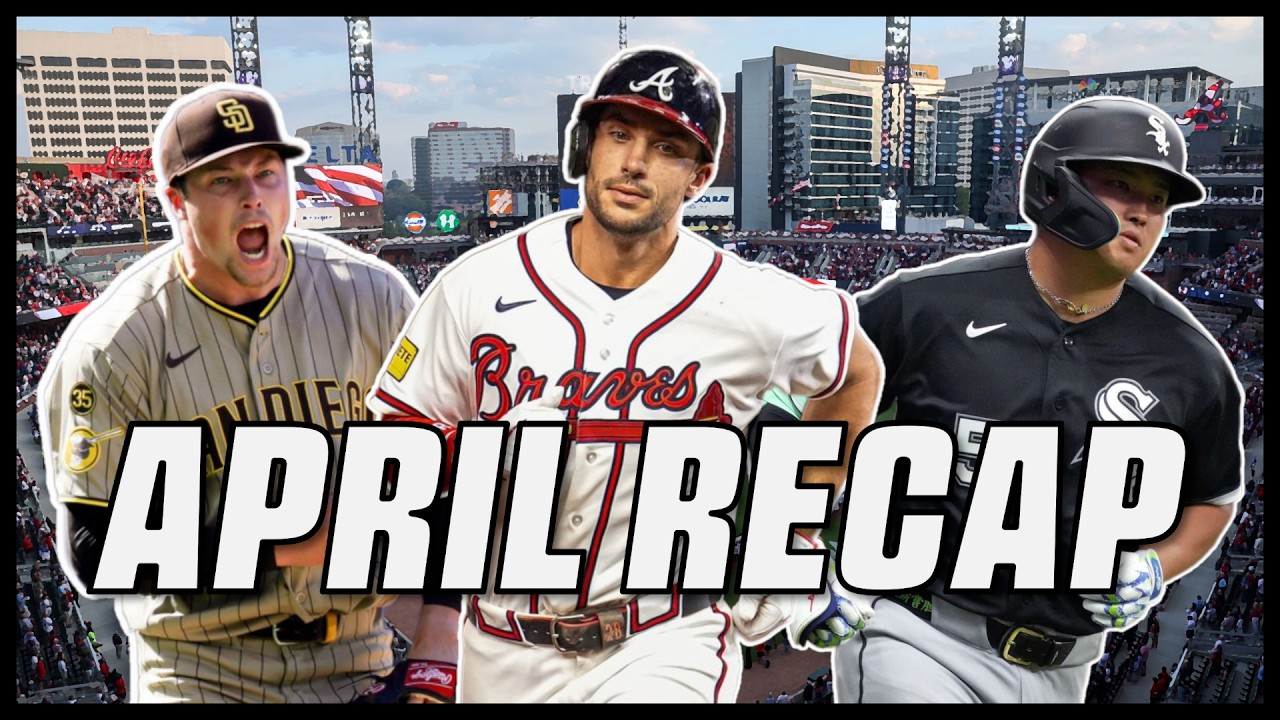
One month in, the 2026 MLB season is already separating contenders from impostors. The Braves are running away with their division. The Yankees look like the deepest team in the AL. And four preseason wild-card picks are already in crisis mode — two managers fired, two more on the warm seat.
Here are the five storylines worth watching as the calendar turns.
Atlanta sits 8.5 games clear of the Marlins as of May 4 — a bigger early lead than they had during their 2021 World Series run or their 2022 division title. With this kind of cushion, they tend to manage their pitching staff differently and rest regulars more often. That changes how their daily lines move and how their pitching matchups should be read.
A 12th-round pick from 2021 is leading all of MLB in OPS at 1.214 — ahead of Aaron Judge and every other hitter in the league. The Yankees are leading MLB in pitching despite Gerrit Cole and Carlos Rodón having thrown zero MLB pitches this year. Both are on rehab and close to returning.
If the Yankees get their starting rotation healthy with Rice continuing to mash, the lineup re-prices itself — and so does every game they play.
Only three AL teams have a winning record entering May: the Athletics, Rays, and Yankees. The league's run-differential leaderboard is comical: Yankees +47, no other team above +9. That kind of imbalance compresses pricing and creates value on the back end of the league, especially in interleague series where AL teams are facing tougher NL competition.
The Phillies, Red Sox, Mets, and Astros all entered 2026 as wild-card contenders. They're now jockeying for draft lottery position. Philly and Boston have already fired their managers. Carlos Mendoza in New York and Joe Espada in Houston are both on warm seats — and Houston's pitching staff is sitting on a 6.08 ERA, the worst in the league by nearly a full run.
When teams in chaos play, the closing line and the morning line tend to disagree the most. That gap is the inefficiency.
The current Collective Bargaining Agreement expires December 1. MLB and the MLBPA are starting preliminary discussions this month. Expect chatter about a salary cap, early arbitration, and minimum salary changes. None of it changes a Tuesday-night game in May — but it'll color the whole second half of the season and the entire 2026–27 offseason.
In baseball, the casual market follows narratives. The sharp market follows lineups, bullpen usage, and which teams are dealing with chaos. May is when those gaps open up.
MLB's daily volume is what makes it perfect for short-format BenchBrawl arenas. A 5-day, 7-day, or 14-day window gives players enough volume to demonstrate skill without committing to a 162-game grind. The teams in chaos right now — Mets, Astros, Red Sox, Phillies — are exactly the squads where pricing inefficiencies show up most often.
Sources
No purchase necessary. Void where prohibited. State restrictions apply.
One month in, the 2026 MLB season is already separating contenders from impostors. The Braves are running away with their division. The Yankees look like the deepest team in the AL. And four preseason wild-card picks are already in crisis mode — two managers fired, two more on the warm seat.
Here are the five storylines worth watching as the calendar turns.
Atlanta sits 8.5 games clear of the Marlins as of May 4 — a bigger early lead than they had during their 2021 World Series run or their 2022 division title. With this kind of cushion, they tend to manage their pitching staff differently and rest regulars more often. That changes how their daily lines move and how their pitching matchups should be read.
A 12th-round pick from 2021 is leading all of MLB in OPS at 1.214 — ahead of Aaron Judge and every other hitter in the league. The Yankees are leading MLB in pitching despite Gerrit Cole and Carlos Rodón having thrown zero MLB pitches this year. Both are on rehab and close to returning.
If the Yankees get their starting rotation healthy with Rice continuing to mash, the lineup re-prices itself — and so does every game they play.
Only three AL teams have a winning record entering May: the Athletics, Rays, and Yankees. The league's run-differential leaderboard is comical: Yankees +47, no other team above +9. That kind of imbalance compresses pricing and creates value on the back end of the league, especially in interleague series where AL teams are facing tougher NL competition.
The Phillies, Red Sox, Mets, and Astros all entered 2026 as wild-card contenders. They're now jockeying for draft lottery position. Philly and Boston have already fired their managers. Carlos Mendoza in New York and Joe Espada in Houston are both on warm seats — and Houston's pitching staff is sitting on a 6.08 ERA, the worst in the league by nearly a full run.
When teams in chaos play, the closing line and the morning line tend to disagree the most. That gap is the inefficiency.
The current Collective Bargaining Agreement expires December 1. MLB and the MLBPA are starting preliminary discussions this month. Expect chatter about a salary cap, early arbitration, and minimum salary changes. None of it changes a Tuesday-night game in May — but it'll color the whole second half of the season and the entire 2026–27 offseason.
In baseball, the casual market follows narratives. The sharp market follows lineups, bullpen usage, and which teams are dealing with chaos. May is when those gaps open up.
MLB's daily volume is what makes it perfect for short-format BenchBrawl arenas. A 5-day, 7-day, or 14-day window gives players enough volume to demonstrate skill without committing to a 162-game grind. The teams in chaos right now — Mets, Astros, Red Sox, Phillies — are exactly the squads where pricing inefficiencies show up most often.
Sources
No purchase necessary. Void where prohibited. State restrictions apply.